


What Your Eye Doctor Looks For During A Comprehensive Eye Exam
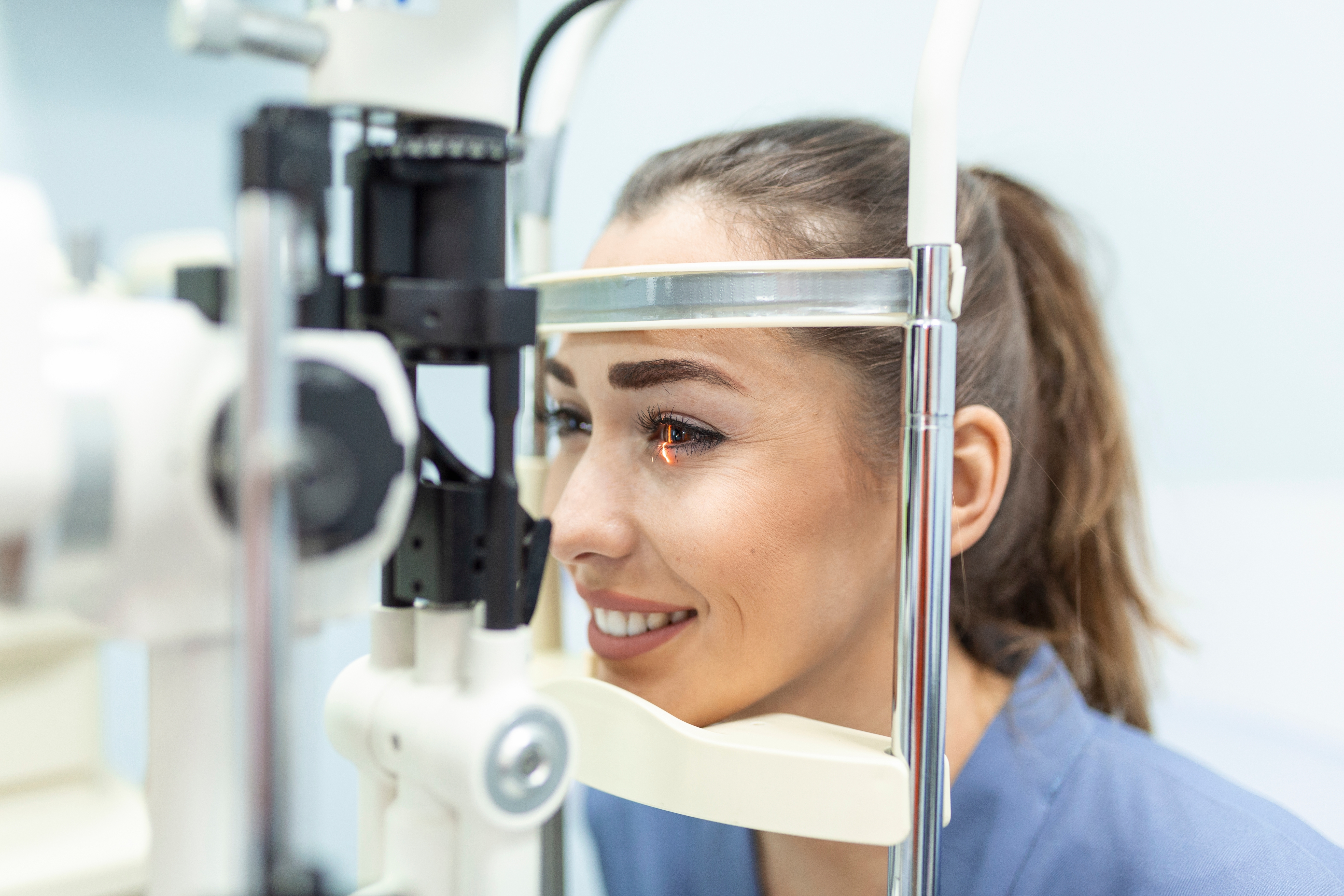
A comprehensive eye exam does more than check whether you need glasses or contacts. It gives your eye doctor a detailed look at how well your eyes are working and whether there are early signs of eye disease, vision changes, or overall health concerns that may affect your sight. At L. A. Vision Optometry, comprehensive eye exams are designed to evaluate both your vision and long-term eye health with careful testing and advanced technology.
Your Vision And Prescription Needs
One of the first things your eye doctor checks during a comprehensive eye exam is how clearly you see at different distances. This includes testing for nearsightedness, farsightedness, astigmatism, and changes related to focusing up close.
Even small prescription changes can affect your comfort throughout the day. If you experience headaches, eye strain, blurry vision, or difficulty seeing at night, your eye doctor can determine whether an updated glasses or contact lens prescription may help.
How Your Eyes Work Together
Clear vision depends on more than each eye seeing well on its own. Your eye doctor also evaluates how your eyes move, focus, and work together. This is especially important if you have eye fatigue, double vision, trouble reading, or discomfort after long hours on screens.
During this part of the exam, your doctor may check eye alignment, depth perception, focusing ability, and eye muscle movement. These tests help identify problems that may not be obvious during a basic vision screening.
The Health of The Front of The Eye
Your eye doctor will also examine the front structures of the eye, including the cornea, eyelids, tear film, and lens. This can help detect dry eye, allergies, inflammation, infections, cataracts, and other concerns that may affect comfort or clarity.
A healthy tear film is important for smooth, stable vision. If your eyes often feel dry, watery, gritty, or irritated, your exam can help determine whether dryness or eyelid inflammation may be contributing to your symptoms.
Signs Of Eye Disease
Many eye diseases can develop slowly and may not cause noticeable symptoms at first. A comprehensive eye exam allows your eye doctor to look for early signs of conditions that can affect vision over time.
Your exam may include checking for:
- Glaucoma
- Cataracts
- Macular degeneration
- Diabetic eye disease
- Retinal concerns
- Eye pressure changes
- Optic nerve abnormalities
Finding these issues early can make a meaningful difference in protecting your vision and helping you understand your next steps.
The Back of The Eye and Retinal Health
The retina and optic nerve provide important information about your eye health and, in some cases, your overall health. Your eye doctor may use advanced diagnostic technology to examine the back of the eye in detail and look for subtle changes that are not visible from the outside.
This part of the exam can help detect signs related to diabetes, high blood pressure, retinal disease, and other health concerns that may affect the eyes.
Why Regular Eye Exams Are Key To Healthy Vision
Even if your vision feels fine, routine comprehensive eye exams are important. Vision changes can happen gradually, and some eye conditions progress quietly before symptoms appear. Regular exams help your eye doctor monitor changes, update your prescription when needed, and catch potential problems early.
Keep your vision clear and your eye health on track by scheduling a comprehensive eye exam with L. A. Vision Optometry. Visit our office in Los Angeles, California, or call (213) 680-0404 to book an appointment today.


Office Hours
- Monday - Tuesday 8:30am - 5:00pm
- Wednesday 9:00am - 5:00pm
- Thursday - Friday 8:30am - 5:00pm
- Saturday 7:45am - 1:00pm
- Sunday Closed
(Closed for lunch 12:30pm to 1:30pm)
© 2026 L. A. Vision Optometry. All rights Reserved. Accessibility Statement - Privacy Policy - Sitemap
Powered by:
